Environment
Circular economy
At weRfoods, the circular economy is a commitment to the future and an essential part of our sustainability philosophy.
We focus on transforming the by-products of our activity into valuable resources, reintroducing them into the value chain to maximize the use of natural resources. From renewable energy to waste recovery, we lead sustainable innovation projects that not only comply with regulations but also drive a positive impact throughout our supply chain. This constant effort has led us to be pioneers in obtaining the AENOR Zero Waste certificate, reaffirming our goal of achieving an activity free of by-products.

The circular economy is our way of ensuring that every step in the production chain leaves a footprint.
Discover our projects
Solar panels
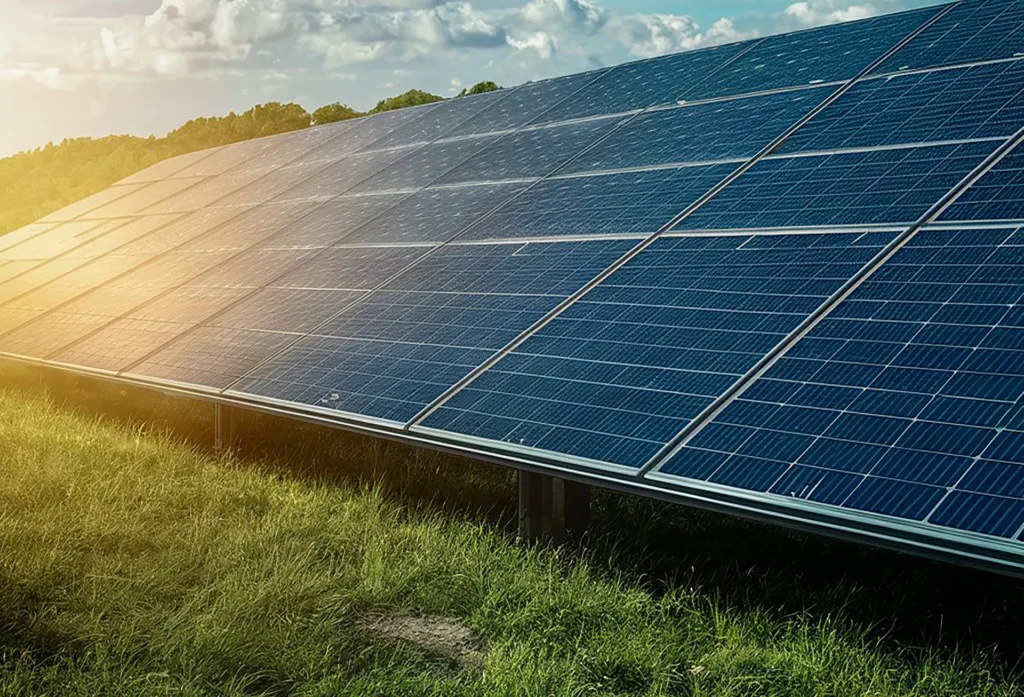
Given our commitment to the environment, we have solar panels at our farms and plants, which allows us to generate renewable energy and optimize our energy consumption.
Our goal is to continue expanding these facilities by using new available surfaces to increase our renewable energy generation capacity. This investment in clean technology reinforces our vision of a circular economy, ensuring that every step of our value chain contributes to a more sustainable future. By adopting these practices, we are not only fulfilling our environmental responsibilities but also leading the way towards a production model that is more respectful of the planet.
+6,000 m²
2.49 MWp
2.99 GWh
817.25
Water treatment plant
Responsible water management is an essential priority within our circular economy model.
To minimize consumption and environmental impact, we have implemented treatment systems that allow us to reduce and optimize water use at every stage of our processes. Thanks to our treatment plant, the water used in production and cleaning is purified and subsequently returned to the environment in optimal conditions, contributing to a more efficient management of water resources.
Furthermore, work is currently underway on various projects aimed at reusing this water, with the goal of reducing consumption and moving towards a more sustainable and circular management model.
Carbon footprint